Returning to Sports Safely After an ACL Injury Takes More Than a Strong Knee
Returning to sports safely after an ACL injury takes more than a doctor’s note and a strong knee. Sixteen percent of athletes who return to sport after ACL surgery tear it again. That’s according to a study published in the American Journal of Sports Medicine. Most of those second injuries share a common thread. The athlete returned before they were truly ready, not just physically, but mentally too.
Why Rushing Back Raises Real Risk
A knee that looks fine on an X-ray can still move differently than it did before surgery. Small shifts in landing mechanics or muscle timing often go unnoticed by the athlete. Those small shifts are exactly what load the ACL graft the wrong way during a hard cut or landing.
The Three Readiness Factors That Actually Matter
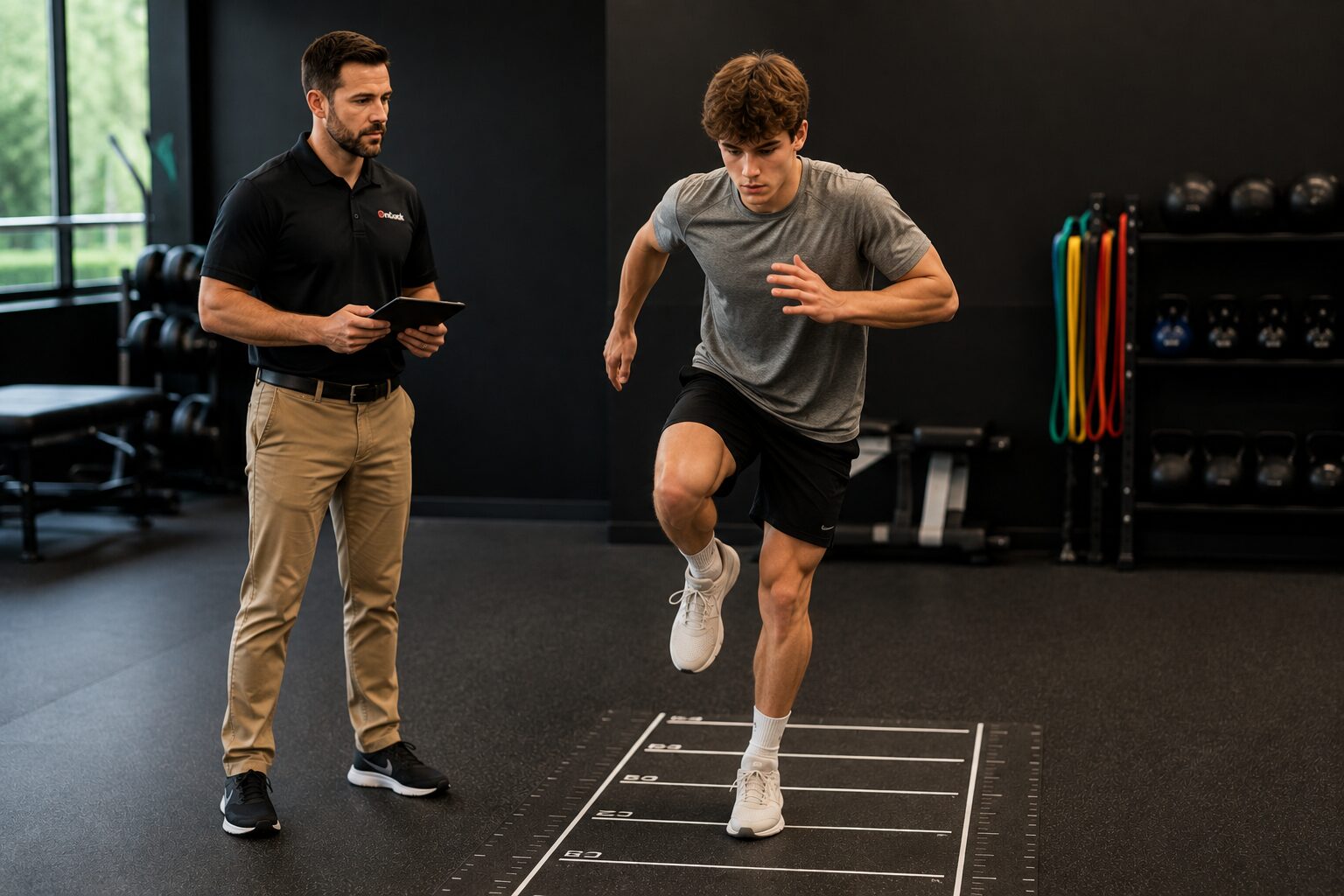
Returning to sports safely after an ACL injury depends on three things working together, not just one. Strength symmetry between both legs is the first. Hop test performance under fatigue is the second. Psychological readiness is the third. It’s the one most programs skip.
Psychological readiness has its own name in sports medicine: the ACL-RSI scale. It measures fear of reinjury, confidence in the knee, and how an athlete judges their own risk. Athletes with low scores on this scale face a higher chance of a second injury, especially younger athletes. About half of athletes who never return to their prior sport point to fear as the real reason, not physical limits.
Sport-Specific Reintegration
A gradual return to sport-specific movement matters just as much as the tests themselves. Soccer, basketball, and volleyball players in Lafayette and Abbeville need controlled cutting and landing drills before full-speed play. Football and other contact athletes need a similar progression, with contact tolerance work coming before full-speed collisions.
Red Flags During Return to Play
Watch for these signs during the return-to-play process itself:
- Pain during or after specific drills
- Swelling that shows up hours after a session
- Visible hesitation before cutting or landing on the surgical leg
- Landing that looks different on one side compared to the other
Any of these signs means the plan needs to slow down, not push through. A good return-to-sport program adjusts based on what the athlete’s body and mind are actually showing, not a fixed calendar.

How Our Team Guides This Process
Our Lafayette and Abbeville team builds return-to-sport plans around all three readiness factors, not just strength numbers. We track hop testing, strength symmetry, and psychological readiness together throughout the process. Our ACL recovery timeline guide covers what typically happens at each stage of recovery, for athletes still working through an earlier phase.
Returning to sports safely after an ACL injury is not about rushing the calendar. It’s about confirming an athlete is ready on every level before stepping back onto the field. Our Lafayette and Abbeville team is here to guide that process from the first day of rehab through final clearance.
Frequently Asked Questions
What is the ACL-RSI scale?
The ACL-RSI is a short questionnaire that measures psychological readiness to return to sport. It looks at fear of reinjury, confidence in the knee, and how an athlete judges their own risk. Lower scores are linked to a higher chance of a second ACL injury.
How long after surgery can an athlete safely return to sport?
Most athletes return between nine and twelve months after surgery. Returning to sports safely after an ACL injury depends on strength testing, hop testing, and psychological readiness, not the calendar alone.
What happens if red flags appear during return-to-play testing?
The plan should slow down, not push through. Red flags like pain, swelling, or visible hesitation mean an athlete needs more time in that stage before progressing to the next one.
Ready for the Final Step Back to Sport?
Our Lafayette and Abbeville team checks strength, movement, and mental readiness before clearing any athlete for return. Schedule a return-to-sport evaluation today.